Seeing Students First: A Human Centered Approach to Literacy That Changes Outcomes
You can’t teach what you don’t see. Learn how using student stories alongside data strengthens literacy instruction, deepens engagement, and drives meaningful outcomes.
About This Session
Description
You can’t teach what you don’t see.
This session focuses on strengthening secondary literacy instruction by moving beyond surface level data to better understand the readers and writers behind the scores. Participants will explore how student identity, lived experiences, and context directly impact reading comprehension, analytical writing, and engagement in middle and high school classrooms.
Grounded in research and instructional best practices, this session demonstrates how combining student stories with literacy data leads to more precise instruction and stronger outcomes. By rethinking how we interpret literacy data, educators can design instruction that is more responsive, rigorous, and meaningful for adolescent learners.
What we'll cover:
Participants will:
Examine how traditional secondary literacy data can overlook key factors that influence comprehension, analytical thinking, and writing performance
Explore a human centered framework for analyzing literacy data alongside student identity, background knowledge, and lived experiences
Understand how this approach aligns with research based literacy instruction and adolescent learning theory
Identify strategies to strengthen secondary literacy outcomes through more responsive instructional decisions
What participants will do:
Analyze secondary student writing samples and reading data to identify patterns, gaps, and misconceptions
Engage in discussion around how factors such as identity, prior knowledge, and experience impact adolescent literacy development
Apply a structured protocol to connect student insights to targeted literacy instruction in areas such as text analysis, evidence use, and written response
Collaborate to design instructional moves that improve comprehension, strengthen writing, and increase engagement in secondary classrooms
Participants will leave with practical tools to:
Strengthen reading comprehension and analytical writing instruction in secondary settings
Increase student engagement in literacy tasks by making instruction more relevant and responsive
Make more accurate instructional decisions using both data and student insight
Support long term literacy growth and readiness for academic and real world demands
This interactive session emphasizes real classroom application, ensuring participants leave with strategies they can immediately implement to improve secondary literacy instruction and outcomes.
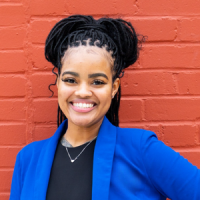
Sunja Fraser is a secondary English educator and instructional leader in Texas with nearly a decade of experience in literacy instruction and curriculum development. She has served as an instructional coach and director of curriculum, supporting teachers in aligning data, instruction, and student outcomes. Her work centers on human centered teaching practices that prioritize student voice, identity, and lived experiences to strengthen reading, writing, and critical thinking.
Sunja has presented on literacy, student engagement, and the use of AI in education, and has delivered a TEDx talk focused on the importance of seeing students beyond the data. She is passionate about helping educators move beyond surface level metrics to design instruction that is responsive, meaningful, and impactful for adolescent learners.